
📌 Key Takeaways: Optimal Timing for Relaxing Drinks
- Post-Work Decompression (5:00 PM – 7:00 PM): The golden window for daytime stress relief, facilitating the physiological transition from sympathetic (“fight-or-flight”) to parasympathetic (“rest-and-digest”) tone without inducing immediate daytime sedation.
- Pre-Bedtime Window (60–90 Minutes Before Sleep): Consuming herbal and kava elixirs 1 to 1.5 hours prior to bed allows active botanical compounds to peak in circulation while avoiding nocturnal bladder awakenings.
- Metabolic State Matters: Lipophilic relaxants like kavalactones exhibit higher bio-absorption when taken on an empty stomach or paired with a healthy dietary lipid (such as coconut milk or MCT oil).
- Avoid Morning Ingestion: Unless specifically micro-dosed for acute situational stress, calming botanical drinks should be reserved for afternoon and evening hours to align with natural circadian cortisol drops.
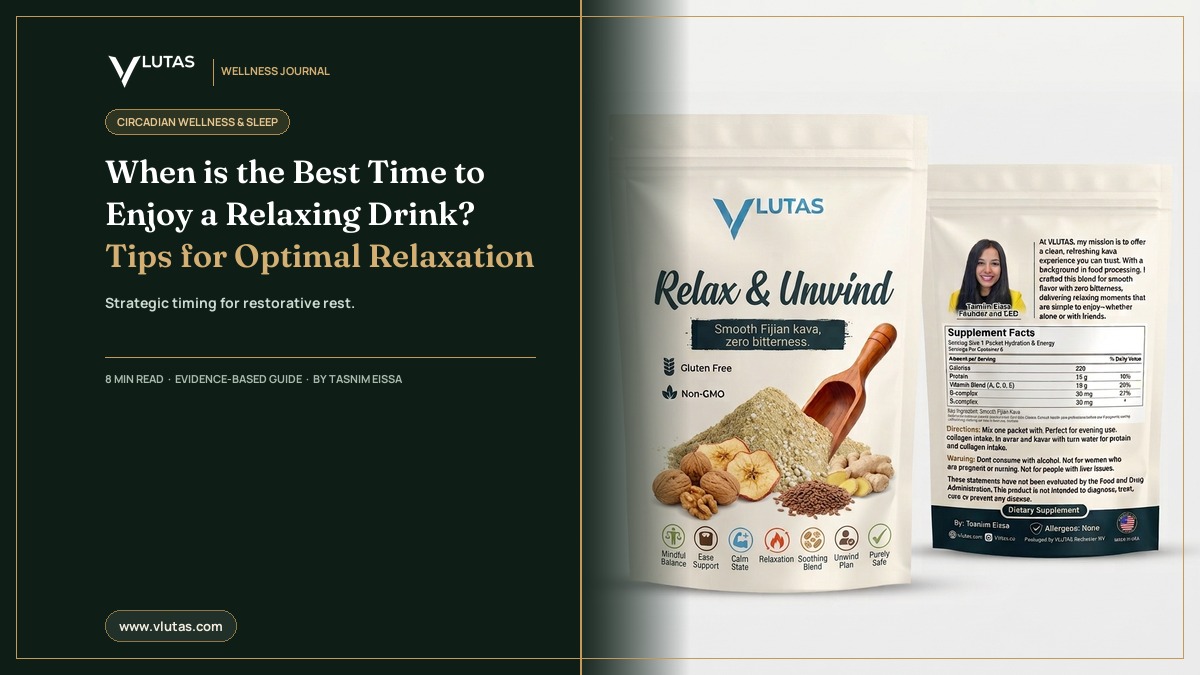
In an era dominated by relentless digital notifications, prolonged cognitive demands, and artificial blue light exposure, our autonomic nervous systems frequently remain trapped in a hyper-aroused sympathetic state. While functional botanical beverages offer potent therapeutic mechanisms to ease this strain, their efficacy depends dramatically on when they are consumed.
Knowing the best time to drink relaxing tea, traditional botanical infusions, or ceremonial kava is the difference between sluggish afternoon brain fog and a deeply restorative evening unwind. By strategically synchronizing your functional beverage intake with your body’s intrinsic circadian rhythms, you can amplify the neurochemical benefits of botanical compounds, safeguard sleep architecture, and cultivate lasting vitality.
The Chronobiology of Relaxation: Cortisol, Melatonin, and Circadian Rhythms
To identify the optimal timing for functional wellness drinks, one must first examine the endocrine rhythm governing alertness and rest. Under healthy physiological conditions, the human endocrine system operates on a precise 24-hour cycle dictated by the suprachiasmatic nucleus (SCN) in the hypothalamus:
- Cortisol Awakening Response (CAR): Cortisol surges sharply upon waking, peaking within 30 to 45 minutes to foster focus, metabolic mobilization, and alertness.
- Midday Diurnal Decline: Cortisol levels experience a steady decline across the afternoon hours, preparing the body for eventual tissue repair.
- Evening Dim-Light Melatonin Onset (DLMO): As ambient darkness stimulates the pineal gland, melatonin synthesis ramps up roughly two hours before habitual sleep onset, signaling the onset of somatic quiescence.
Introducing calming botanical compounds during the early morning hours can bludgeon your natural cortisol awakening curve, leaving you groggy and dysregulated. Conversely, drinking functional botanicals during the late afternoon or early evening harmonizes perfectly with your endogenous endocrine trajectory, accelerating parasympathetic dominance precisely when your body is biologically primed to down-regulate.
The Golden Transition: Post-Work Decompression (5:00 PM – 7:00 PM)
For most working professionals and active individuals, the most demanding neurochemical threshold occurs during the transition from professional obligations to personal life. Between 5:00 PM and 7:00 PM, residual workplace stress frequently manifests as sustained muscular tension, racing thoughts, and elevated baseline heart rates.
This early evening timeframe represents the premier window for enjoying a serving of traditional Fijian kava powder. Unlike synthetic sedatives or alcoholic beverages that impair cognitive lucidity, high-purity noble kava root powder supplies active kavalactones that interact synergistically with central GABA-A receptors. This encourages profound emotional calm, mental clarity, and somatic muscle relaxation without stupefaction.
By substituting conventional post-work alcoholic “happy hours” with clean botanical rituals, you circumvent the rebound glutamate neurotoxicity and nocturnal dehydration that disrupt restorative sleep. Sipping a freshly prepared kava beverage creates a distinct mindful boundary between the pressures of your workday and the tranquility of your evening home life.
The Pre-Bedtime Window: 60 to 90 Minutes Before Sleep (8:30 PM – 10:00 PM)
A frequent error among wellness enthusiasts is consuming a large mug of relaxing tea or nighttime elixir immediately before turning off the bedside lamp. While the psychological ritual feels soothing, consuming substantial fluid volumes right before bed triggers nocturnal diuresis, forcing mid-sleep bathroom awakenings that shatter deep Stage 3 and REM sleep cycles.
Instead, clinical chronobiology recommends enjoying a nighttime calming herbal drink mix exactly 60 to 90 minutes before your head hits the pillow. This interval accomplishes three crucial physiological milestones:
- Peak Plasma Concentration: Botanical phytocompounds—such as chamomile apigenin, passionflower flavonoids, and L-theanine—require 45 to 75 minutes to undergo gastrointestinal absorption and cross the blood-brain barrier.
- Thermal Regulation: Drinking a warm botanical tea induces mild peripheral vasodilation (flushing blood to the hands and feet), which systematically drops core body temperature—an essential biological trigger for sleep initiation.
- Fluid Clearance: The 90-minute cushion gives your renal system ample time to process fluid volume, allowing you to empty your bladder before sleep.
Digestive Mechanics: Empty Stomach vs. Post-Meal Bioavailability
The bioavailability of bioactive herbal compounds differs radically depending on gastric contents. When determining your personal schedule, consider the pharmacokinetics of the specific drink you are preparing:
1. Noble Kava Root: Kavalactones are lipophilic (fat-soluble) resinous lactones. Drinking kava immediately following a heavy, carbohydrate-dense dinner causes the active resins to become trapped in digestive chyme, delaying absorption by up to two hours and diminishing the euphoric, calming sensation. For optimal results, consume kava on an empty stomach (3 to 4 hours after lunch), or blend it with a teaspoon of clean dietary fat—such as organic coconut milk or MCT oil—which enhances intestinal micellar packaging and lymphatic transport.
2. Water-Soluble Calming Infusions: Standard herbal infusions (like lemon balm, linden, and peppermint) are rapidly absorbed in both fed and fasted states. If you suffer from evening acid reflux or gastric sensitivity, enjoying these herbal tonics alongside or shortly after a light evening meal is gentle on gastric mucosa.
Daytime Situational Stress: When to Make an Exception
Can you ever consume relaxing drinks during daylight working hours? The answer is an emphatic yes—provided you select non-drowsy, adaptogenic formulations. When preparing for high-stakes presentations, navigating complex analytical challenges, or recovering from acute sensory overload, non-sedating botanical blends can restore equilibrium without inducing lethargy.
To master the distinction between daytime calm and nighttime sedation, explore our detailed resource on how to find your perfect relaxing drink. Matching functional ingredients to your exact daily challenge ensures you stay sharp, steady, and centered regardless of workplace turbulence.
Cultivating Ritual Consistency and the “Reverse Tolerance” Phenomenon
One of the most remarkable attributes of noble kava root is the phenomenon of reverse tolerance (sensitization). Unlike pharmaceutical tranquilizers that demand escalating dosages due to receptor down-regulation, kavalactones gently prime neural pathways over time. First-time consumers may require consecutive sessions before experiencing the full depth of muscular ease and sociability.
To establish this cumulative efficacy, many health-conscious individuals implement a structured weekly cadence supported by a convenient monthly kava powder subscription. Maintaining consistency in your evening unwind ritual transforms a simple beverage into a potent neurological anchor for rest.
Furthermore, the physiological benefits of structured botanical relaxation extend far beyond simple physical ease. To learn how regular evening botanical routines support emotional resilience and mental health, read our guide on exploring the connection between relaxing drinks and mental wellbeing.
Frequently Asked Questions (FAQ)
What is the absolute best time of day to drink kava?
The premier time to drink noble kava is late afternoon to early evening (between 5:00 PM and 7:00 PM), ideally on an empty stomach or before dinner. This timing delivers maximum tension relief during post-work decompression while allowing mental serenity to flow naturally into nighttime rest.
Can I drink a relaxing beverage right before bed?
It is best to consume your relaxing drink 60 to 90 minutes before bed. Drinking fluids immediately prior to sleep often leads to middle-of-the-night bathroom awakenings, fragmenting restorative slow-wave and REM sleep phases.
Will a relaxing drink make me feel tired the next morning?
High-quality botanical drinks made from pure noble kava and natural herbs do not cause the grogginess, brain fog, or hangover symptoms associated with alcohol and pharmaceutical sleep aids. Because they support natural sleep architecture rather than forcing sedation, you awaken feeling refreshed and energized.
Can I combine relaxing drinks with dinner?
While light herbal teas can be enjoyed with dinner, kava is best consumed 20 to 30 minutes before your meal. A heavy, full stomach slows down the absorption of lipophilic kavalactones, muting their immediate calming efficacy.
New to ceremonial South Pacific botanicals? Read our complete handbook on noble Fijian kava preparation, effects, and dosages.